33 Checkpoints: quality printing at the speed you need.




All Products
Marketing Materials
Business Essentials
Appointment Cards
Business Cards
Carbonless Forms
Direct Mail
EDDM
Envelopes
Key Card Holders
Letterhead
Loyalty Cards
Mailing Services
Plastic Business Cards
Round Business Cards
Presentation Folders
Self-Seal Envelopes
Silk Presentation Folders
Square Business Cards
Standard Business Cards
#9 Envelopes
#10 Envelopes
Boxes & Packages
Labels & Stickers
Banners, Posters & Signs
Promotional Items
All Products


Hi!
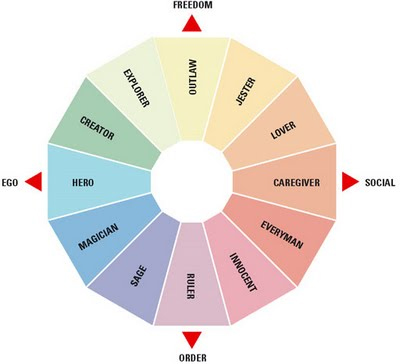
I am a studying advertising as my majors and was wondering how does one figure out what the archetype of the ad is? Your post above mentions that the advertiser may be intending to convey a certain archetype, however, they may view them as another archetype. Then how do all the advertising agencies claim to make ads having an archetype? and how can we identify the archetype of the ad?
Hi Saloni,
Great points. I was not the author of this post but I can speak for my own experiences of working in the advertising industry with the following thoughts: The advertising archetype is not so much something that is of great consideration when creating an advertisement and is more of a result of creating an advertisement. When conceiving any kind of ad, there are certain automatic thought patterns that advertisers jump to, to make a quick and instantly recognizable statement. To appeal to people, the route 1 way of making a connection is to describe a common experience and to use that common experience as a way to communicate a specific message, ie, the archetypal clown used in this article represents the idea of humor, fun, and silliness. However, advertisers often see this archetype as something that can mean so much more. In fact, great advertising takes that archetype and degenerates it to make the simple archetypal connection into something funnier or more meaningful to the product they are trying to sell. So if we take the archetypal image of the clown and put a gun in his hand, the clown suddenly means something else; something more menacing and surreal. In this way, the common archetype is viewed by many advertisers as something very different and something to explore in creative ways.